
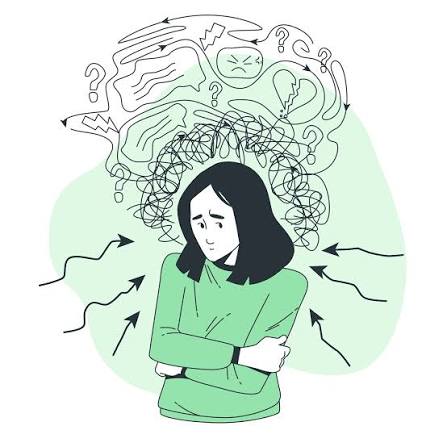
Feeling overwhelmed, tense, or weighed down by the constant noise of the world?
What Drives Our Anxiety?
If you feel anxious today, it doesn’t mean you are failing—it often means you are simply paying attention to what is happening around you.
Every day, we carry stress from multiple areas of life:
- Health concerns and lingering global health worries
- School demands and academic deadlines
- Workplace pressure and career uncertainty
- Financial strain and rising expenses
- Political tension and social division
- Relationship struggles with family, friends, or partners
Recognizing the Symptoms
Anxiety doesn’t just stay in our thoughts; it shows up across our entire body and behavior.
- Physical strain: Headaches, jaw clenching, muscle tension
- Emotional reactions: Agitation, defensiveness, feeling fearful or unmotivated
- Behavioral shifts: Yelling, lashing out, breaking things, or compulsive habits
- Changes in routines: Sleeping too much or too little, eating too much or too little
The Root Cause: Care
Why do we experience anxiety in the first place? Simply put: we worry about what we care about.
Anxiety centers on the things that directly impact our lives and the people we love. To understand this deeper, look at the original Greek language of the New Testament.
The Greek Perspective: Merimnao
The Greek verb used for anxiety in Scripture is merimnao (mer-im-nah’-o):
- Definition: To be anxious, to be troubled with cares, to seek to promote one’s interests, or to care for and provide for something.
- Root origin: It connects to merizo, which means “to divide” or “to separate.”
Merimnao represents a mental state where your focus is divided, occupied with, or dwelling continuously upon something heavy.
Rethinking Philippians 4:6
Consider this paraphrase of a familiar passage:
Philippians 4:6 (PDV – Pastor David Version)
“Don’t be paralyzed by your anxiety (merimnao), but respond to anxiety in this way: by prayer and continual urging with thanksgiving, tell God about your anxiety—that which you care about.”
Anxiety tells us what matters to us. Scripture calls us not to suppress those concerns, but to bring them forward rather than letting them paralyze us.
Practical Ways to Respond
When anxiety strikes, here are grounding actions to help keep you from becoming paralyzed:
- Pray & Meditate: Direct your divided focus toward God and ground your mindset.
- Move Your Body: Exercise releases built-up physical tension.
- Hydrate: Anxiety triggers a stress response that physically dehydrates your body—drink water.
- Breathe Deeply: Slow, deep breaths signal to your nervous system that you are safe.
- Talk to Others: Sharing your burden with a trusted friend is one of the practical ways God answers our prayers for support.
- Journal or Write: Expressing feelings through writing or poetry helps process complex emotions.
- Embrace Physical Touch: Hug someone safely—appropriate physical contact releases oxytocin and lowers stress. (A weighted blanket works great as an alternative!)
Final Thoughts
If you feel anxious today, remember: it means you care and you are paying attention to your life.
The key question isn’t whether anxiety will show up, but how you will respond when it does. Will you let it divide and paralyze you, or will you use it as a prompt to ground yourself and seek support?


